
Begin with the packet in your hand
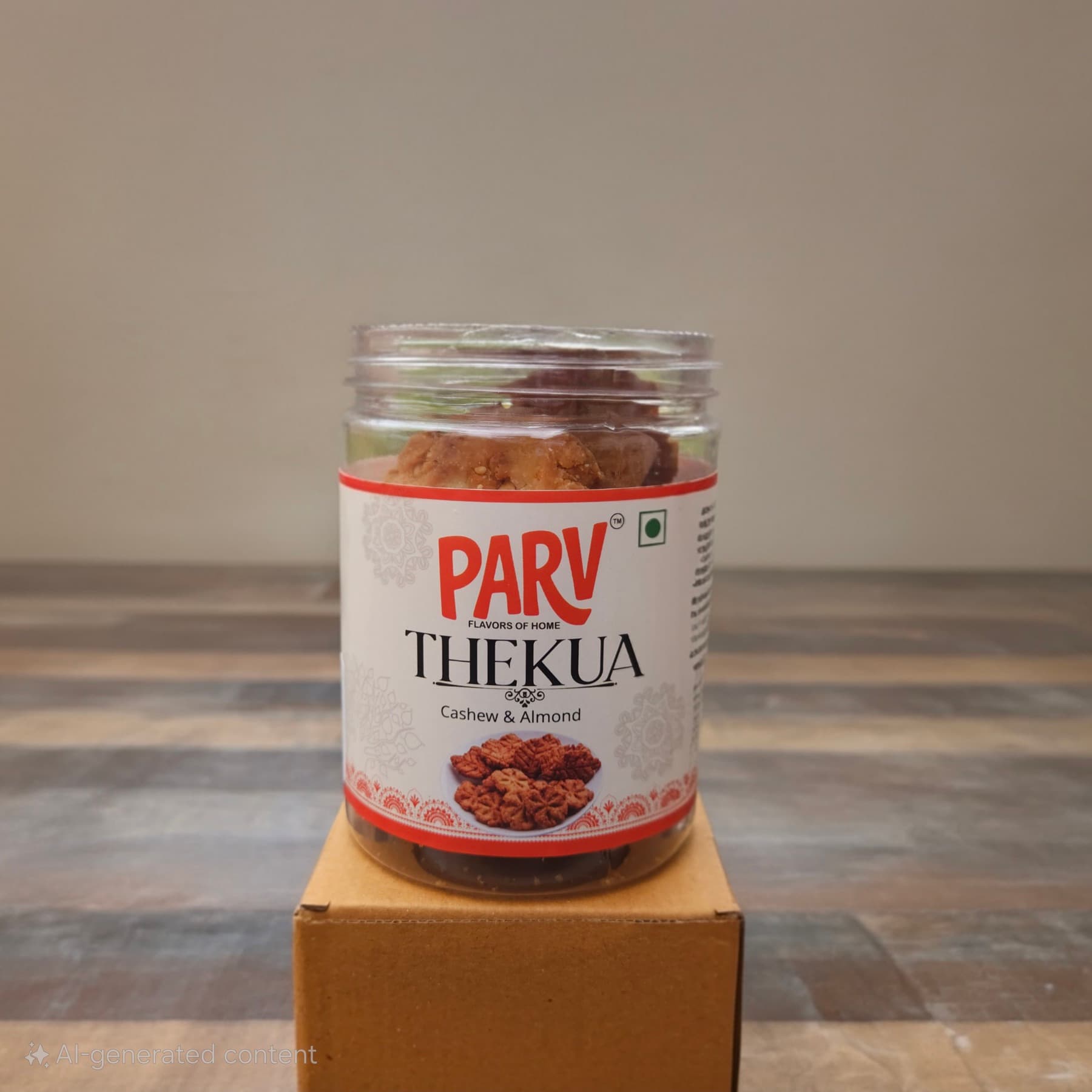
Packaged food should be understood from its current physical label. Before opening a jar or pouch, check that the seal and container appear intact. Read the product name, net quantity, ingredient list, allergen declaration, date and batch information, best-before statement and manufacturer details. If anything on the physical package conflicts with a website, pause and contact the business rather than guessing which information is correct.
The supplied PARV FOODS label states that the product is best before 60 days from manufacture and should be consumed within 15 days after opening. The website repeats those statements as a transcription, but customers should still follow the label on the pack they actually receive because packaging can be revised. The final storage wording is awaiting business confirmation, so this article does not invent a temperature, humidity range or shelf-life extension.
A simple serving approach
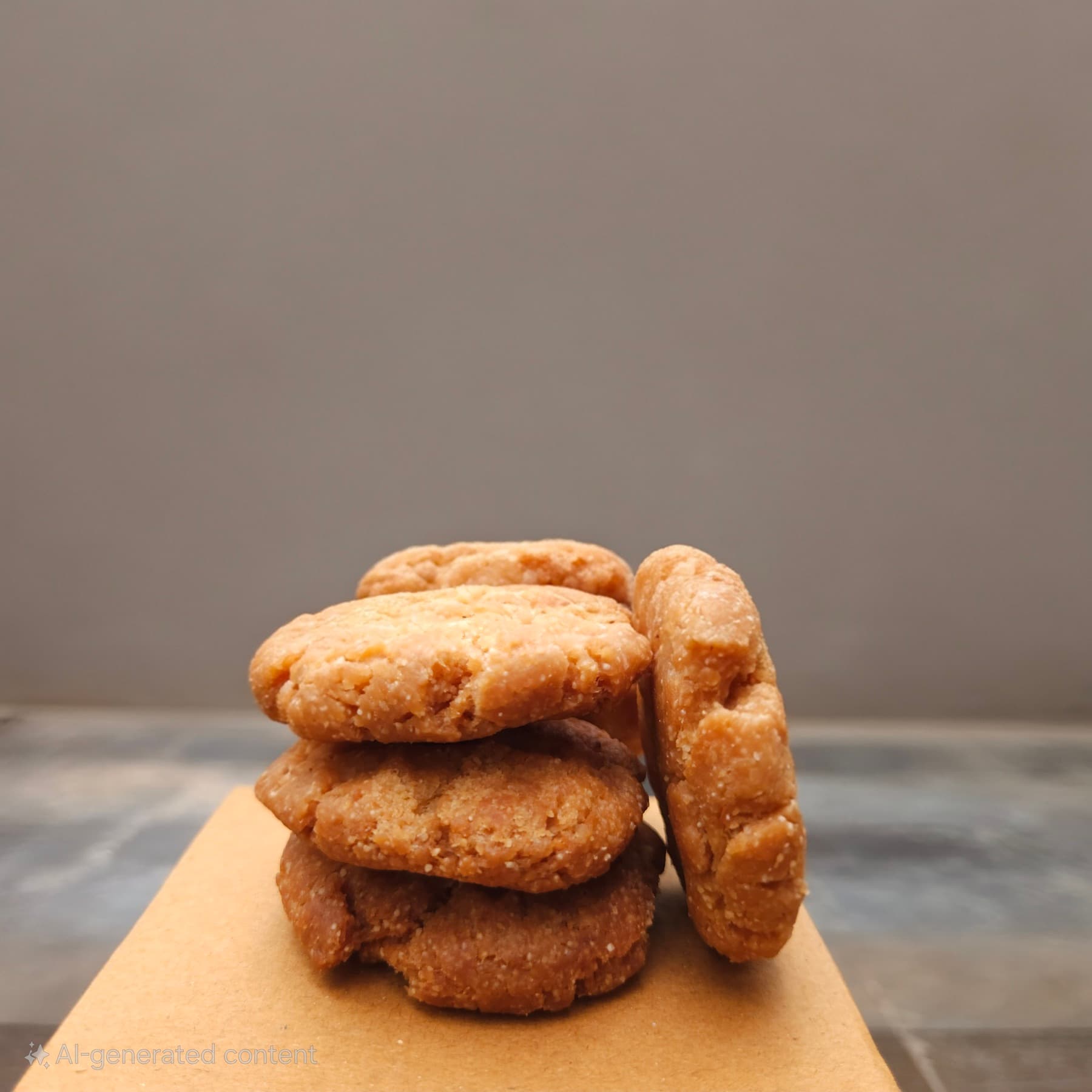
Thekua can be placed on a clean, dry serving plate and shared in small portions. Its patterned shape already provides visual interest, so presentation does not need to be elaborate. A neutral plate, a cloth with warm colour, or a small tray can keep attention on the food. If you add nuts or other ingredients around a serving plate for styling, tell guests clearly: decorative ingredients can introduce allergens or create the impression that they are present in the product itself.
Serve with clean utensils or clean, dry hands and avoid returning handled pieces to the main container. This is ordinary food-handling care rather than a special product claim. When serving children, older adults or anyone with dietary restrictions, show them the actual ingredient and allergen information. Do not rely on the word ‘traditional’ to infer that a food is safe for a particular diet.
Sharing with tea, conversation and time
Many people enjoy sweet snacks alongside tea or during a pause in the day, but there is no single correct accompaniment. A serving can be part of a family visit, an office tea table, a travel break or a quiet moment at home. The most useful approach is modest portions and clear information so everyone can decide for themselves. Avoid turning an enjoyable food into an unsupported health promise; jaggery, ghee, nuts or traditional preparation do not automatically make a packaged sweet medically beneficial.
Texture can also influence how someone serves it. A firmer piece may be easier to break into smaller portions, while natural batch variation can change appearance slightly. Genuine product photographs help set a reasonable expectation, but styling images are not a guarantee that every piece will have the same pattern, colour or arrangement.
After the container is opened
Record or remember the date you opened the pack and keep the best-before and after-opening instructions visible. Close the container securely after serving. Use only a clean, dry utensil, and do not mix older pieces with a newly opened pack. If the packaging gives specific storage directions, those directions take priority over general advice found online. PARV FOODS must confirm its final storage statement before launch, so the current site intentionally keeps that point visible rather than offering false precision.
Do not consume a product if the seal was unexpectedly broken, the package is damaged, or the food shows an unusual odour, visible contamination or another sign that concerns you. Contact the business with the order reference, batch details and clear photographs. Food-safety concerns deserve prompt attention; a discount, replacement conversation or attractive appearance should never pressure someone to consume a product they reasonably believe may be unsafe.
Gifting with useful information attached
A packaged regional food can make a thoughtful gift, especially for someone who knows the flavour or wants to learn about Bihar's food culture. Keep the original labelled container with the gift instead of moving the food into an unlabelled decorative box. The recipient needs the ingredient, allergen, date, batch and manufacturer information. If you include a personal note, you can explain why the food matters to you without claiming that the recipient will share the same memory.
For travel or delivery, protect the container from crushing and keep it away from conditions that contradict the package instructions. Confirm that the recipient will be available to receive it and can use it within the stated period. The goal is not only a beautiful handover but a traceable, understandable product. Thoughtful serving, storage and gifting all follow the same principle: enjoy the story and presentation, while allowing the verified label to guide practical decisions.
Sources and further reading
Cultural facts and product statements are kept separate. Sources were reviewed on 6 August 2026.