
Chhath is an observance, not a marketing theme
Chhath Puja is particularly associated with Bihar and eastern Uttar Pradesh, while communities observe it in many other places as families and diaspora have moved. Government tourism sources describe a four-day observance dedicated to Surya, the sun deity, with rituals that include offerings to the setting and rising sun. People may gather near rivers, ponds or other water bodies, and the observance is marked by discipline, preparation and community participation.
A food brand should speak about this tradition carefully. Chhath is not simply a colourful seasonal backdrop, and devotional terms should not be borrowed to make an ordinary retail product sound sacred. PARV FOODS uses cultural information to help readers understand the food's context while keeping religious meaning distinct from commercial claims. The purpose is education and respect, not an assertion that buying a packet reproduces an observance.
Where Thekua fits
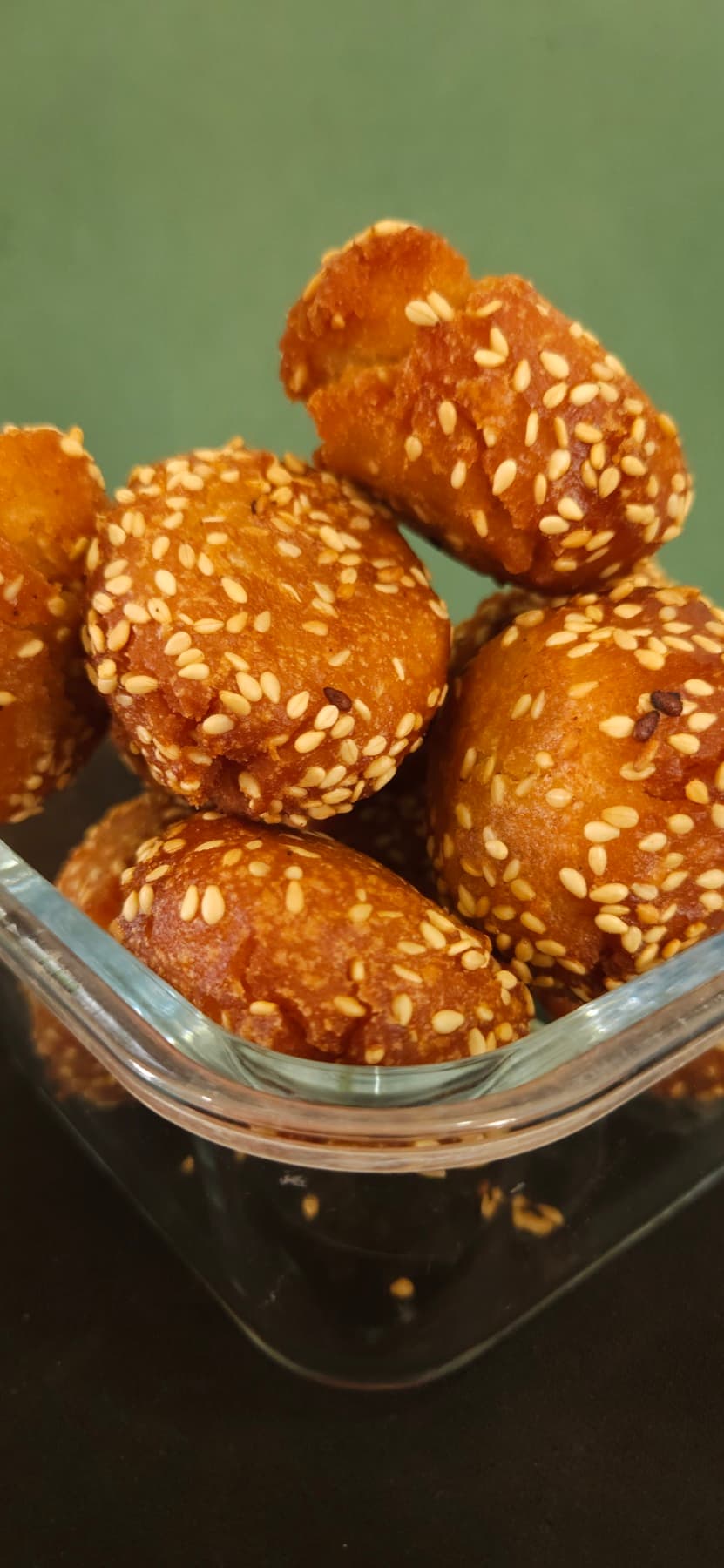
Official tourism sources identify Thekua among the foods prepared as prasad for Chhath Puja. Common descriptions refer to wheat flour and jaggery, though recipes vary among households. Preparation can be a family activity, with shaping, frying, cooling and arranging completed with care. The finished food is included in the devotional offering and later shared with relatives, neighbours and members of the community.
The word prasad refers to the food within that devotional relationship. It is not a product category that a seller can apply merely because the food has the same name or a similar recipe. A packet purchased from a shop remains retail food unless it becomes part of an individual's religious practice and offering. This distinction avoids misleading customers and honours the people for whom the observance has deep personal and spiritual meaning.
Four days and two moments of arghya
The observance unfolds over four days rather than a single meal or ceremony. Government sources describe stages of purification, fasting and preparation leading to evening and morning offerings. One of its widely recognised features is arghya offered to the setting sun, followed by an offering to the rising sun. The sequence brings families and communities together across more than one day and requires practical coordination as well as devotion.
A short article cannot represent every regional or household practice. Names, timings, songs and detailed customs can vary, and people should look to their own family or community guidance for religious practice. The useful public fact is the broad structure: Chhath includes a four-day observance, offerings to the setting and rising sun, and the sharing of prasad. Claims beyond that outline should be sourced and written with the same care.
Sharing food and sustaining connection
After the devotional offering, prasad is shared. Sharing can connect the household with a wider circle of relatives, friends and neighbours. For people living far from Bihar, preparing familiar foods or receiving them from home can also maintain a sense of connection across distance. The emotion is personal: one person may remember a crowded family kitchen, another may remember travel, songs or the early morning gathering, and someone else may be learning about the observance for the first time.
Good cultural storytelling leaves room for these different experiences. It avoids announcing that everyone feels nostalgia in the same way. It also avoids presenting one recipe as the only authentic one. Shared traditions can have a recognisable form while still being lived differently in each home.
What PARV FOODS does and does not claim
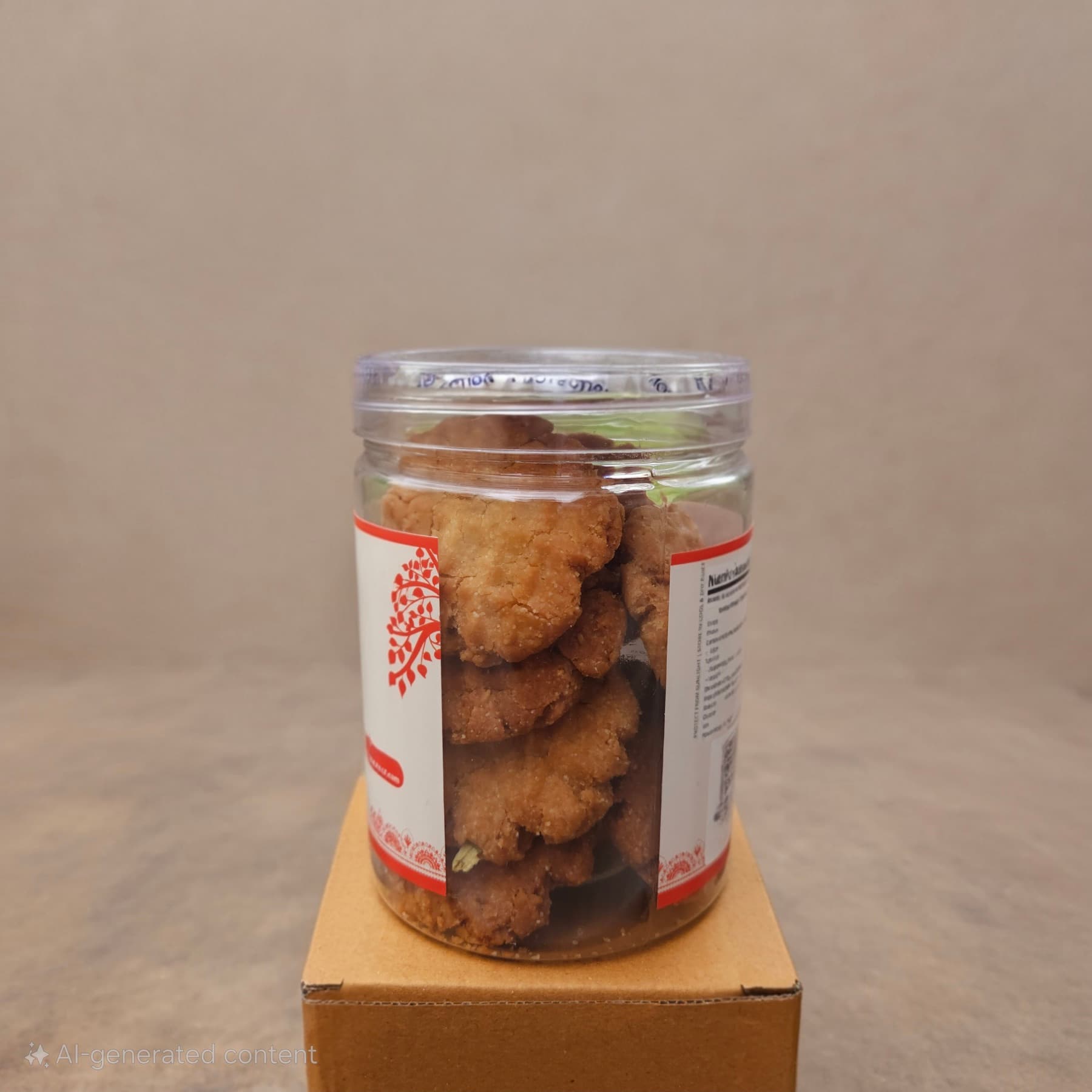
PARV FOODS offers a packaged Thekua product inspired by Bihar's food traditions. The product page uses genuine photographs and publishes details taken from the supplied label. It does not describe the product as blessed, temple-made, consecrated or officially approved for ritual use. It also does not claim that the commercial recipe is identical to the recipes prepared by every family during Chhath.
Customers should use the package label for ingredients, allergens, best-before instructions and manufacturer information. Cultural articles provide context, not food-safety or religious instructions. Keeping those roles separate makes the story more trustworthy: the label explains the product, official sources support the public cultural facts, and families remain the authority on their own devotional practice. That combination allows Thekua's connection with Chhath Puja to be discussed warmly without turning reverence into advertising.
Sources and further reading
Cultural facts and product statements are kept separate. Sources were reviewed on 6 August 2026.