
A familiar sweet with many family versions
Thekua is a traditional sweet snack closely associated with Bihar. Bihar Tourism describes a common preparation built around wheat flour and jaggery, shaped and then deep-fried. That short description is useful, but it should not be mistaken for a single compulsory recipe. Families make Thekua in different proportions, choose different additions, and pass on methods that suit their own kitchens. Some versions are firm and crisp, while others may feel more tender. The colour, thickness, pattern and sweetness can vary as well. The diversity is part of the food tradition rather than a problem to be corrected.
This is why a responsible introduction uses phrases such as ‘commonly made’ instead of claiming that every Thekua must contain exactly the same ingredients. PARV FOODS publishes its own product ingredients separately from this cultural story. The supplied product label lists the ingredients for the packaged item; a general description of Bihar's food culture cannot replace that label, especially for people checking allergens or dietary requirements.
The pattern and the saancha
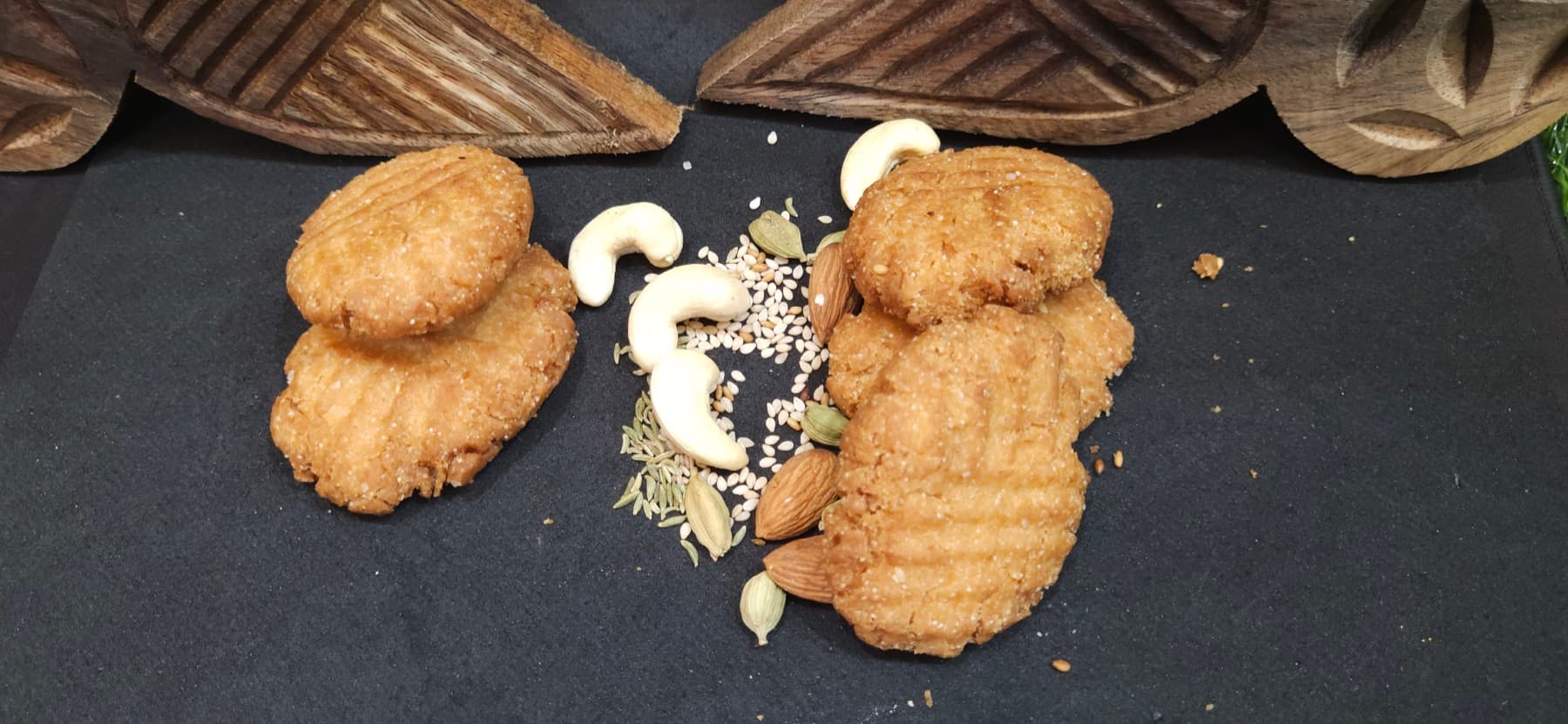
One of Thekua's most recognisable features is its patterned surface. Bihar Tourism notes that the dough may be pressed with a wooden mould known as a saancha. Mould designs and shaping practices differ, and not every household or maker follows an identical process. A pattern can make each piece visually distinctive, but it does not by itself prove an ingredient list, production method or place of origin. Those details need their own evidence.
The visual character still matters. A patterned piece can bring texture to a shared plate and can prompt stories about how someone in a family shaped it. For people who have moved away from Bihar, the sight or aroma of a familiar food can evoke journeys home and time spent with relatives. That is an inclusive emotional observation, not a claim that every person has the same memory. Food carries personal histories, and those histories deserve room to differ.
Its connection with Chhath Puja
Government tourism sources include Thekua among the foods prepared and offered as prasad during Chhath Puja. Chhath is observed over four days and includes offerings to the setting and rising sun. Families and communities undertake the observance with discipline and devotion, and prasad is shared after the offering. Thekua's place in that setting is therefore more than a flavour preference: the devotional context gives prasad its meaning.
A commercially sold packet is not automatically prasad. PARV FOODS makes this distinction clearly because respectful storytelling should not turn a religious practice into an unsupported product claim. A retail Thekua can be inspired by regional food traditions and can be purchased for a family table, travel or gifting. Whether food becomes prasad depends on its devotional use and offering, not on marketing language printed by a seller.
How to read a packaged Thekua product
When choosing a packaged product, begin with the physical label rather than assumptions about a traditional recipe. Check the ingredient list, allergen statement, net quantity, nutrition panel, best-before information, manufacturer details and food licence information. PARV FOODS' current page transcribes the supplied label and highlights items that still need final business confirmation. This separation protects both culture and customers: cultural writing explains context, while packaging data answers practical product questions.
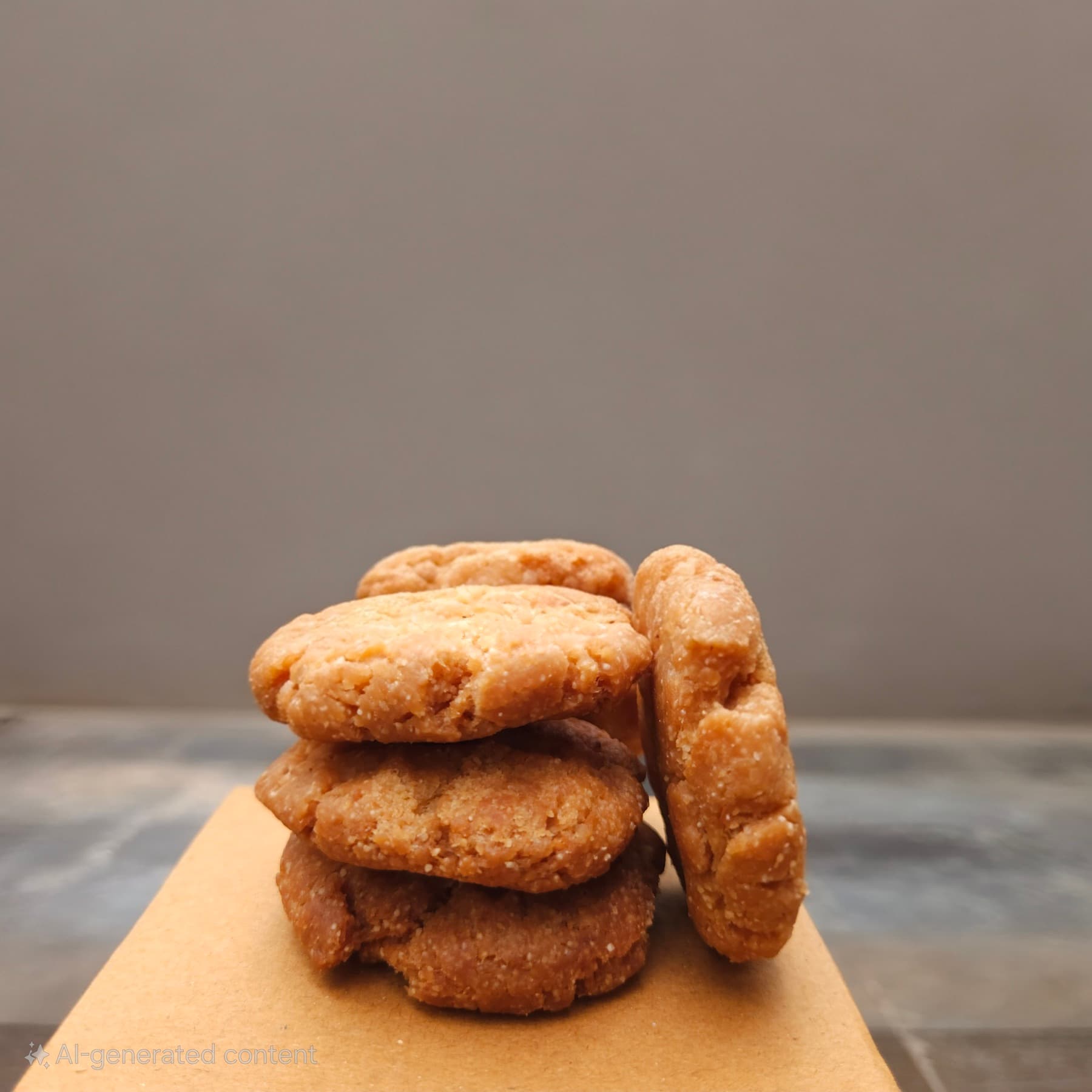
The same care applies to photographs. The images in this article come from the genuine PARV FOODS media collection and show the actual packaged product and serving pieces. Styling can help a reader see texture and presentation, but it should not imply ingredients that are absent from the label or guarantee that every piece will look perfectly identical. Food made in batches can have natural visual variation.
A tradition best approached with curiosity
Thekua is easy to describe in one sentence and rewarding to understand more slowly. It belongs to Bihar's food culture, appears in the devotional life of Chhath Puja, and travels through family recipes that do not need to be identical. Learning about it means listening for both the shared outline and the household differences. It also means avoiding dramatic but unsupported claims such as a precise invention date, an ‘unchanged ancient recipe’, or a promise that one commercial version represents every home.
For a first taste, notice the aroma, the patterned surface and the balance of sweetness and texture. Then ask where the recipe or product information came from. That simple habit—enjoying the food while checking the evidence—creates space for memory, transparency and respect at the same table.
Sources and further reading
Cultural facts and product statements are kept separate. Sources were reviewed on 6 August 2026.